Imagine a friend announcing at work that they are taking time off because they are going to “tie the knot” next month. Most people immediately understand they are getting married, even though the phrase doesn’t directly mention marriage. This popular expression shows how English uses idioms to communicate shared cultural meanings memorably. “Tie the knot” means to get married or enter into a legally or socially recognized marriage. Understanding this phrase helps ESL learners, professionals, writers, and everyday speakers choose the right words for different situations. While it works well in casual conversations, storytelling, and social media, more direct alternatives such as “get married” or “become spouses” may be better for formal communication.
The phrase carries a warm, celebratory feeling and often suggests commitment, partnership, and a major life milestone. However, choosing the right expression depends on your audience, purpose, and tone. Knowing when to use “tie the knot” and when to select a clearer alternative can make communication sound more natural, respectful, and effective.
What Does “Tie The Knot” Mean?
“Tie the knot” means to get married or officially enter into a marriage relationship. The phrase is commonly used in everyday conversations, announcements, articles, and social media posts when referring to a wedding or marriage. It has a positive and informal tone, often expressing happiness about a couple’s decision to marry.
The expression is usually used when discussing a couple’s upcoming wedding, recent marriage, or long-term commitment. For example, someone might say, “They are planning to tie the knot in June,” meaning that the couple plans to get married in June.
Unlike formal terms such as “enter into marriage” or “legally marry,” the phrase adds emotional warmth and a conversational style. It focuses less on the legal process and more on the personal and cultural significance of marriage.
Origin & History of “Tie The Knot”
The origin of “tie the knot” is connected to the long history of using knots as symbols of connection, unity, and commitment. Across different cultures, tying knots has represented relationships, agreements, and bonds between people.
One common explanation links the phrase to ancient wedding traditions where couples physically tied cords, ribbons, or pieces of fabric together during ceremonies. This symbolic act represented the joining of two lives. The idea of a “knot” became associated with a strong and lasting connection.
Another possible influence comes from nautical language. Sailors depended on strong knots to secure ropes and equipment, making a “tied knot” a symbol of reliability and strength. Over time, this imagery transferred into everyday language, where marriage was described as a permanent bond.
The phrase became widely used in English during the 18th and 19th centuries and has remained popular because it is simple, visual, and emotionally meaningful. Today, “tie the knot” appears frequently in conversations, wedding announcements, entertainment media, and online content.
Synonyms & Alternatives by Tone
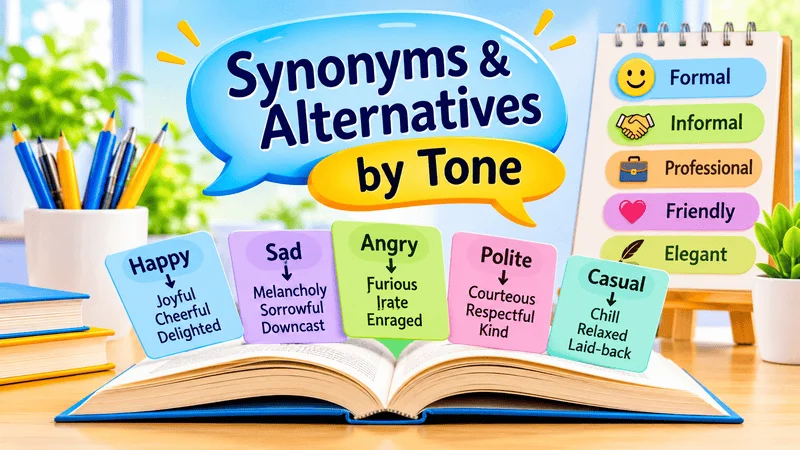
Choosing the right alternative depends on the relationship with your audience and the purpose of your message. Some expressions sound professional and direct, while others create a warmer or more playful feeling.
Professional & Neutral Alternatives
- Get married
- Marry
- Enter into marriage
- Become married
- Legally marry
- Formalize their marriage
- Enter a marital relationship
Polite & Supportive Alternatives
- Begin their life together
- Start a new chapter together
- Celebrate their marriage
- Commit to each other
- Build a future together
- Join their lives together
Encouraging & Reassuring Alternatives
- Take the next step together
- Make a lifelong commitment
- Begin a journey together
- Celebrate their love and commitment
- Build a shared future
Casual, Playful & Idiomatic Alternatives
- Walk down the aisle
- Say “I do”
- Make it official
- Such as spouses
- Become life partners
- Seal the deal
When Should You Use “Tie The Knot”?
“Tie the knot” works best when the situation is personal, friendly, or celebratory. It creates a positive emotional connection and sounds natural in everyday English.
Professional Settings
In workplaces, the phrase can be appropriate when discussing a colleague’s wedding informally. For example:
“Sarah is taking two weeks off because she is tying the knot this summer.”
However, professional announcements, company newsletters, or official documents usually benefit from clearer wording:
“Sarah will be married in July.”
Casual Conversations
This is where the phrase feels most natural. Friends and family commonly use it when talking about engagements, wedding plans, or newly married couples.
Examples:
- “Did you hear that Mark and Anna are tying the knot?”
- “They finally decided to tie the knot after five years together.”
Writing, Presentations, and Digital Communication
The phrase works well in:
- Wedding blogs
- Lifestyle articles
- Social media captions
- Personal stories
- Entertainment writing
It creates an approachable and human tone.
When It Is Especially Effective
Use “tie the knot” when you want to:
- Add warmth to a message
- Make writing more conversational
- Celebrate a relationship milestone
- Connect emotionally with readers
When Should You Avoid “Tie The Knot”?
Although the phrase is widely understood, it is not suitable for every situation.
Overly Formal Situations
Avoid using it in:
- Legal documents
- Marriage certificates
- Official government communication
- Academic research
A formal phrase like “legally marry” or “enter into marriage” is more precise.
Legal, Academic, or Sensitive Contexts
The expression may sound too casual when discussing:
- Divorce proceedings
- Marriage laws
- Religious requirements
- Historical analysis
For example:
Less suitable:
“The couple tied the knot according to state law.”
Better:
“The couple entered into a legally recognized marriage.”
Situations Where Nuance May Be Lost
The phrase focuses on marriage itself, not the complexity of relationships. In discussions about commitment, partnerships, or personal choices, a more specific expression may communicate the intended meaning better.
Is “Tie The Knot” Professional, Polite, or Casual?
“Tie the knot” is generally considered casual and friendly rather than highly professional. It is polite in most social situations because it carries positive emotions and does not usually offend listeners.
Tone Analysis
The phrase communicates:
- Celebration
- Happiness
- Affection
- Familiarity
It creates a warmer impression than simply saying “get married.”
Formality Level
| Context | Suitability |
| Conversation with friends | Excellent |
| Social media post | Excellent |
| Personal email | Good |
| Workplace conversation | Acceptable |
| Legal document | Not recommended |
| Academic writing | Not recommended |
Emotional Subtext
Native speakers often hear more than the literal meaning. “Tie the knot” suggests a joyful milestone rather than only a legal event. It highlights the emotional side of marriage.
Pros and Cons of Using “Tie The Knot”
Advantages
Clarity
Most English speakers immediately understand that it refers to marriage.
Efficiency
The phrase communicates a complete idea in only three words.
Accessibility
Its simple imagery makes it easy for learners and readers to remember.
Emotional Connection
It adds warmth and celebration to personal communication.
Potential Drawbacks
Oversimplification
Marriage involves many emotional and legal aspects that the phrase does not explain.
Tone Mismatch
It may sound too informal for professional or serious situations.
Repetition
Using the phrase too often can make writing feel predictable.
Real-Life Examples of “Tie The Knot” by Context
Email Example
Hi Emma,
I heard the wonderful news that you and Daniel are planning to tie the knot this autumn. Congratulations to both of you! Wishing you a beautiful wedding day and many happy years ahead.
Best wishes,
Rachel
Meeting Example
“Before we finish today’s meeting, I want to congratulate James. He is tying the knot next month, so we are collecting messages for his farewell card.”
Presentation Example
“Many couples choose to tie the knot after years of building a strong relationship together.”
Conversation Example
“My sister and her partner are finally tying the knot after being together for eight years.”
Social Media Example
“Counting down the days until we tie the knot! ❤️”
“Tie The Knot” vs Similar Expressions (Key Differences)
| Phrase | Meaning Difference | Tone Difference | Best Use Scenario |
| Get married | Directly means entering a marriage | Neutral and universal | Everyday and professional communication |
| Walk down the aisle | Focuses on the wedding ceremony | Romantic and visual | Wedding stories and celebrations |
| Say “I do” | Refers to exchanging wedding vows | Casual and emotional | Personal posts and conversations |
| Make it official | Suggests confirming a commitment | Casual and modern | Relationships becoming public or formal |
| Enter into marriage | Focuses on the formal relationship | Formal and serious | Legal or academic writing |
| Become life partners | Highlights long-term partnership | Supportive and inclusive | Modern relationship discussions |
Common Mistakes & Misuse of “Tie The Knot”
Although “tie the knot” is a widely recognized expression, using it incorrectly can create confusion or make communication sound unnatural. Understanding common mistakes helps writers and speakers use the phrase confidently.
Overuse
Using “tie the knot” repeatedly in the same article, conversation, or message can make the language feel predictable. Since the phrase is strongly associated with weddings, repeating it too often may reduce its impact.
For example:
Less effective:
“The couple will tie the knot, invite guests to the ceremony where they will tie the knot, and celebrate after they tie the knot.”
Better:
“The couple will get married, celebrate with family, and begin their new life together.”
Using alternatives creates more natural and varied communication.
Incorrect Context
A common mistake is using the phrase in situations where marriage is not the focus. “Tie the knot” specifically refers to marriage, not simply commitment, dating, or starting a relationship.
Incorrect:
“The two companies tied the knot after months of negotiations.”
Better:
“The two companies formed a partnership after months of negotiations.”
For business relationships, expressions like “join forces” or “form an alliance” are more appropriate.
Contradictory Usage
The phrase usually carries a positive and celebratory meaning. Using it in negative or critical contexts may sound strange.
Unnatural:
“The couple tied the knot and immediately regretted their decision.”
More natural:
“The couple got married and later faced relationship challenges.”
The phrase highlights the joyful moment of marriage rather than the difficulties afterward.
Cultural Misunderstandings
Some English learners may assume that “tie the knot” refers to a literal physical action. Because idioms depend on cultural understanding, direct translation into another language may not always communicate the intended meaning.
For international audiences, especially in professional writing, “get married” is often clearer.
Psychological Reasons People Prefer “Tie The Knot”

Language choices are influenced by emotion, memory, and social connection. People often prefer expressions like “tie the knot” because they communicate more than just information.
Cognitive Load Reduction
Idioms allow people to express complex ideas quickly. Instead of explaining “entering a lifelong marital commitment,” speakers can use a familiar phrase that most listeners immediately understand.
The brain processes familiar expressions efficiently because they are stored as complete meanings rather than separate words.
Trust and Authority Signals
Using natural expressions can make communication feel more authentic. A speaker who uses common phrases appropriately often sounds more comfortable and fluent.
However, context matters. In professional or formal settings, direct language may create stronger authority.
Attention Economy
Modern communication often competes for limited attention. Expressions such as “tie the knot” are memorable because they create a visual image and emotional connection.
This makes the phrase useful in:
- Headlines
- Social media captions
- Wedding announcements
- Lifestyle articles
Modern Communication Habits
Digital communication has increased the popularity of short, emotionally meaningful phrases. A caption like:
“We’re tying the knot next spring!”
feels warmer and more personal than:
“We are entering into a legally recognized marriage next spring.”
US vs UK Usage of “Tie The Knot”
“Tie the knot” is commonly understood in both American and British English. The meaning remains the same, but the way people perceive its tone may vary slightly.
Popularity
In both regions, the phrase appears frequently in:
- Wedding articles
- Entertainment news
- Personal conversations
- Social media posts
American English often uses the phrase in casual announcements and lifestyle content.
British English speakers also use it naturally, although expressions like “get married” and “walk down the aisle” are also very common.
Tone Perception
| Region | Tone Perception |
| US English | Warm, casual, celebratory |
| UK English | Friendly, slightly traditional, conversational |
Regional Preferences
American speakers may use:
“They’re tying the knot this weekend.”
British speakers might also say:
“They’re getting married this weekend.”
The direct expression is slightly more universal, while “tie the knot” adds personality.
“Tie The Knot” in Digital & Modern Communication
Modern communication has increased the use of wedding-related idioms because people often share personal milestones online.
Emails
In personal emails, the phrase adds warmth.
Example:
“Congratulations on tying the knot! Wishing you both a lifetime of happiness.”
For workplace emails, consider your relationship with the recipient. A friendly message to a colleague is appropriate, but official announcements may require a more neutral style.
Slack / WhatsApp
The phrase works well in informal workplace chats and group conversations.
Example:
“Huge congratulations to Mia and Alex for tying the knot this weekend!”
It creates a friendly team atmosphere.
Social Media
Social media is one of the strongest environments for this phrase because users often want emotional and memorable wording.
Examples:
- “The countdown begins until we tie the knot!”
- “Officially tied the knot yesterday ❤️”
- “A beautiful day celebrating two people becoming one.”
AI-Generated Summaries
AI tools often replace idioms with direct explanations to improve clarity. For example:
Original:
“The couple tied the knot in Paris.”
AI summary:
“The couple got married in Paris.”
Both are correct, but the first preserves emotional style while the second prioritizes straightforward meaning.
Linguistic & Communication Insight
Understanding “tie the knot” requires looking beyond dictionary meaning. Like many idioms, its effectiveness depends on social context, emotional purpose, and audience expectations.
Emotional Weight & Subtext
Native speakers usually understand “tie the knot” as more than “get married.” It carries positive emotional associations, including:
- Celebration
- Commitment
- Happiness
- A major life transition
The phrase focuses on the emotional significance of marriage rather than the legal process.
For example:
“They got married yesterday.”
This is factual.
“They tied the knot yesterday.”
This feels more personal and celebratory.
Direct vs Indirect Phrasing
Phrases and idiomatic phrases serve different communication goals.
Direct:
“They got married.”
Benefits:
- Clear
- Professional
- Easy for international audiences
Indirect/idiomatic:
“They tied the knot.”
Benefits:
- Warmer
- More expressive
- More memorable
Experienced communicators choose based on purpose. A legal announcement needs precision, while a personal message benefits from emotion.
Professional Communication Perspective
In workplaces, language choices influence how messages are received.
Using “tie the knot” with a colleague can make communication feel friendly and human:
“Congratulations on tying the knot next month!”
However, official company communication may require:
“Congratulations on your upcoming marriage.”
The difference is not correctness but audience awareness.
Pragmatic Reasons for Alternatives
Professionals often choose alternatives because they want to:
- Avoid sounding too casual
- Improve clarity for global audiences
- Respect sensitive situations
- Match organizational tone
For example, an HR announcement should usually avoid idioms:
Better:
“Please join us in congratulating Sarah on her upcoming marriage.”
Rather than:
“Sarah is tying the knot soon.”
Social Signaling
Word choice influences how people perceive a message. “Tie the knot” signals friendliness and emotional connection.
Using the phrase can make a speaker appear:
- Approachable
- Celebratory
- Personally invested
However, using it in the wrong context may signal a lack of awareness of formality.
Tone & Context Guidance
Use “tie the knot” when:
✔ Talking with friends
✔ Writing personal messages
✔ Creating warm content
✔ Celebrating weddings
Avoid it when:
✘ Writing legal documents
✘ Discussing marriage statistics academically
✘ Communicating sensitive relationship issues
✘ Addressing a highly formal audience
Comparison Table of 10 Best Alternatives
The following alternatives provide different options depending on whether you need a formal, emotional, casual, or professional expression. Choosing the right phrase helps match your message with your audience and purpose.
| Phrase | Meaning | Best Use | Worst Use | Tone | US vs UK Usage |
| Get Married | Enter into marriage | Everyday and professional communication | Highly emotional wedding writing | Neutral and direct | Common in both |
| Marry | Become someone’s spouse | Formal writing and announcements | Casual conversations | Formal | Common in both |
| Walk Down The Aisle | Participate in the wedding ceremony | Wedding stories and celebrations | Legal discussions | Romantic | Common in both |
| Say “I Do” | Exchange wedding vows | Personal messages and captions | Official documents | Emotional | Common in both |
| Make It Official | Confirm a relationship status | Casual announcements | Legal communication | Modern and casual | Common in both |
| Enter Into Marriage | Begin a formal marriage | Academic and legal contexts | Friendly conversations | Formal | Common in both |
| Become Life Partners | Commit to shared life | Modern relationship discussions | Marriage certificates | Inclusive | Common in both |
| Commit To Each Other | Promise dedication | Speeches and personal messages | Marriage records | Warm | Common in both |
| Build A Future Together | Plan a shared life | Relationship announcements | Formal reports | Positive | Common in both |
| Celebrate Their Marriage | Honor a wedding | Professional congratulations and events | Casual jokes | Respectful | Common in both |
Conclusion
“Tie the knot” is a timeless English idiom that means to get married and represents one of the most recognized expressions for describing a wedding or marital commitment. Its popularity comes from its simple meaning, emotional warmth, and ability to make communication feel more personal. While it is ideal for casual conversations, wedding announcements, and social media, choosing the right alternative depends on the audience and purpose. Expressions like “get married,” “enter into marriage,” or “become life partners” may provide better clarity in professional, legal, or formal situations.
Understanding the tone behind this phrase helps speakers and writers communicate more effectively across different contexts. Whether used in a heartfelt message, a conversation with friends, or a celebration of love, “tie the knot” continues to connect language with important human experiences. Mastering its meaning, alternatives, and appropriate usage allows ESL learners, professionals, and content creators to use English more naturally and confidently.
FAQs
What does “tie the knot” mean?
“Tie the knot” means to get married or enter into a marriage relationship. It is an informal and positive English idiom commonly used when talking about weddings, engagements, or couples who are planning to marry. The phrase focuses on the celebration and emotional meaning of marriage rather than the legal process.
Is “tie the knot” a formal or informal phrase?
“Tie the knot” is generally considered an informal and conversational phrase. It works well in personal conversations, wedding articles, social media posts, and friendly messages. However, it is usually avoided in legal documents, academic writing, and highly formal communication, where direct expressions like “get married” are more appropriate.
Where did the phrase “tie the knot” come from?
The exact origin of “tie the knot” is uncertain, but it is commonly connected to historical traditions where knots symbolized unity, agreements, and strong bonds. Some theories link it to wedding rituals involving tied cords, while others connect it to nautical knots representing strength and security.
Can “tie the knot” be used in professional communication?
Yes, “tie the knot” can be used in professional communication when the situation is friendly and informal, such as congratulating a colleague on their wedding. For official workplace announcements, company statements, or formal messages, alternatives like “get married” or “upcoming marriage” are usually more suitable.
What are the best alternatives to “tie the knot”?
Common alternatives include “get married,” “marry,” “walk down the aisle,” “say I do,” “make it official,” “enter into marriage,” and “become life partners.” The best choice depends on the situation, audience, and desired tone. Some alternatives sound more formal, while others are more emotional or casual.
Is “tie the knot” used in American and British English?
Yes, “tie the knot” is used in both American and British English. Speakers in both regions understand the phrase as meaning “get married.” The expression has a friendly and celebratory tone, although “get married” remains the most common and neutral option in everyday communication.
Is “tie the knot” appropriate for wedding invitations?
Yes, “tie the knot” can be appropriate for informal wedding invitations, announcements, and social media posts. It creates a warm and joyful feeling. For traditional or formal invitations, couples may prefer phrases like “request the honor of your presence at their wedding” or simply state that they are getting married.
What is the difference between “tie the knot” and “get married”?
The main difference is tone. “Get married” is direct, neutral, and suitable for almost every situation, while “tie the knot” is more expressive and informal. Both phrases communicate the same basic idea, but “tie the knot” adds a sense of celebration and personal emotion.
Can “tie the knot” be used for relationships other than marriage?
No, “tie the knot” specifically refers to marriage. It should not be used for dating, friendships, business partnerships, or general agreements. For other types of commitments, phrases like “join forces,” “make a commitment,” or “start a partnership” are more accurate.
Why do people use idioms like “tie the knot”?
People use idioms like “tie the knot” because they make communication more memorable, emotional, and natural. Idioms help speakers express shared cultural meanings quickly. In personal situations, they often create a warmer connection than simple factual statements, making messages feel more human and engaging.